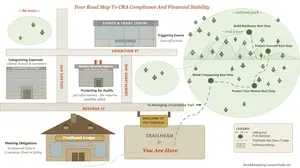
- A Roadmap To CRA Compliance and Financial Stability
- The Concierge Desk
- The Backgrounder Library
- Self-Assessment and Self-Reporting
Canada's Tax System Runs On Self-Assessment
A Backgrounder Article | Drawer A: The Tax System - How It Works

By L.Kenway BComm CPB Retired
This is the year you get all your ducks in a row! Start by starting ... and keep it simple. Consistency beats perfection.
Published April 23, 2026
RETURN TO >> Understanding The Audit Process
NEXT ARTICLE >> What Triggers An Audit?
BACK TO >> The Backgrounder Card Catalogue
 Self-employed Canadians are responsible for reporting their own income
Tax audits and CRA reviews can have serious financial consequences if you ignore notices, keep weak records, or assume a mistake will go unnoticed. This page explains how the CRA review and audit process works, what the different notices mean, and why getting organized early matters.
Canada's tax system is built on self-assessment and self-reporting. That means you are responsible for reporting your income correctly, claiming only what you can support, and keeping records that back up your return. Because the system relies on public compliance, the Canada Revenue Agency (CRA) carries out reviews and audits to check that tax law is being followed. It is not a personal attack.
One hard truth many small business owners do not realize until it is too late is this ... in tax matters, ignorance of the rules is generally not a defence. If the CRA reviews your return or starts an audit, you may be asked to support what you filed with documents, receipts, logs, and records. If you cannot support your claim, adjustments, interest, and penalties can follow.
That does not mean every CRA letter is an audit. Some contacts are part of the normal review process. But every notice should be taken seriously and dealt with promptly.
If you are self-employed, the risk is often higher than it is for an employee because you are responsible for managing your own tax compliance. Depending on your situation, CRA scrutiny may involve an income tax review, office audit, field audit, GST/HST review, or payroll review.
Your best protection is simple but not optional ... accurate records, organized documents, filing reports on time, not spending monies held in trust, and prompt responses to CRA.
Backgrounder Library
Canadian Bookkeeping Compliance Resource | Site Blueprint
A structural blueprint for the website making it easier for visitors to find what they are looking f
How Are Sole Proprietors Taxed In Canada | Marginal Tax Rate Explained
Knowing how sole proprietors are taxed provides motivation to have audit ready books. You're in a high risk group for getting audited. Learn about your marginal tax rates as well.
How Governments Raise Revenue | A Backgrounder
Discover the three ways governments raise revenue and why understanding Canadian tax policy helps you make better strategic decisions for your business.